

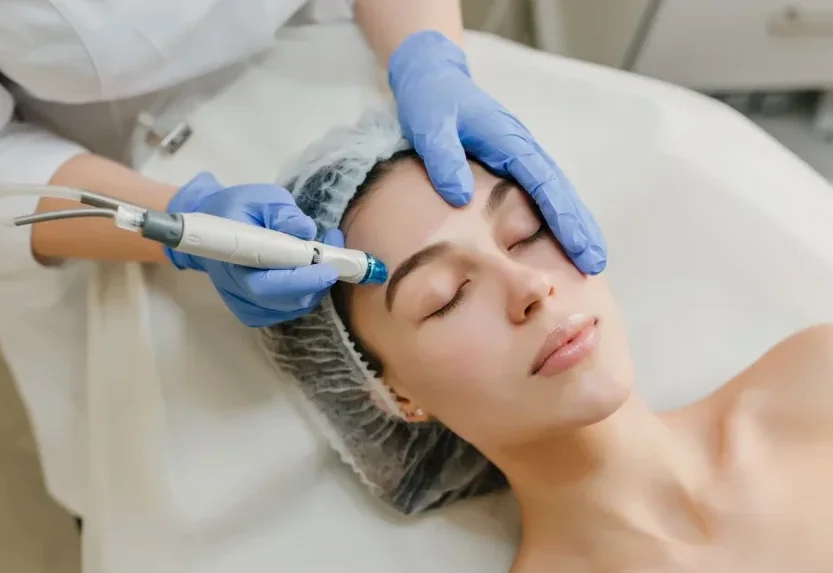
Laser skin resurfacing is a popular cosmetic treatment designed to improve skin texture, reduce visible signs of ageing, and treat various skin concerns such as acne scars, pigmentation, and sun damage. By using targeted laser energy to remove damaged skin layers and stimulate collagen production, laser resurfacing can help create smoother, firmer, and more youthful-looking skin.
With advances in aesthetic technology, laser skin resurfacing is now available in different forms ranging from gentle treatments with minimal downtime to more intensive procedures that deliver dramatic results. Before undergoing treatment, it is important to understand the benefits, potential risks, recovery process, and whether laser resurfacing is suitable for your skin type and goals.
What Is Laser Skin Resurfacing?
Laser skin resurfacing is a cosmetic procedure that uses concentrated beams of light to improve the appearance of the skin.
The treatment works by:
- Removing damaged outer layers of skin
- Stimulating collagen production
- Encouraging new skin cell growth
Laser resurfacing is commonly used to treat:
- Fine lines and wrinkles
- Acne scars
- Uneven skin texture
- Sun damage
- Age spots
- Hyperpigmentation
- Enlarged pores
- Mild skin laxity
The procedure can be performed on various areas of the body, although the face is the most common treatment area.
Types of Laser Skin Resurfacing

There are several different types of laser resurfacing treatments, each designed for different skin concerns and recovery times.
Ablative Lasers
Ablative lasers remove the outer layers of skin and are generally more intensive.
Common ablative lasers include:
- CO2 lasers
- Erbium lasers
These treatments usually provide more dramatic results but involve longer downtime.
Non-Ablative Lasers
Non-ablative lasers heat the deeper skin layers without removing the surface skin.
They are often used for:
- Mild wrinkles
- Skin tightening
- Collagen stimulation
Recovery is typically shorter compared to ablative treatments.
Fractional Lasers
Fractional laser technology treats microscopic sections of skin while leaving surrounding tissue untouched.
This approach may:
- Speed up healing
- Reduce downtime
- Lower the risk of complications
Fractional CO2 laser resurfacing is one of the most commonly requested treatments today.
Benefits of Laser Skin Resurfacing
1. Improves Skin Texture and Tone
Laser resurfacing can smooth rough skin and improve uneven skin tone caused by ageing, acne scars, or sun damage.
Many patients notice:
- Softer skin
- Brighter complexion
- More even texture
2. Reduces Fine Lines and Wrinkles
By stimulating collagen production, laser treatments may reduce the appearance of:
- Crow’s feet
- Forehead lines
- Fine wrinkles around the mouth
More intensive laser treatments can provide significant anti-ageing improvement.
3. Treats Acne Scars
Laser skin resurfacing is commonly used to reduce acne scarring by encouraging skin remodelling and collagen regeneration.
Different scar types may require different laser approaches.
4. Improves Sun Damage and Pigmentation
Laser resurfacing may help reduce:
- Sun spots
- Age spots
- Hyperpigmentation
- Uneven skin tone
This can lead to a clearer and more refreshed appearance.
5. Stimulates Collagen Production
Collagen is essential for firm, youthful-looking skin. Laser energy stimulates the skin’s natural healing response, helping improve skin elasticity over time.
What Happens During the Procedure?
The treatment process varies depending on the type of laser used and the size of the treatment area.
A typical appointment may include:
- Skin cleansing
- Application of numbing cream or local anaesthetic
- Laser treatment
- Cooling or soothing products applied afterwards
Treatment time can range from 30 minutes to over two hours depending on the procedure.
Laser Skin Resurfacing Recovery
Recovery depends largely on the intensity of the treatment.
After Mild or Non-Ablative Treatments
Patients may experience:
- Mild redness
- Temporary swelling
- Sensitivity
Recovery is often completed within a few days.
After Ablative or CO2 Laser Treatments
More intensive procedures may involve:
- Redness
- Peeling
- Crusting
- Swelling
- Skin sensitivity
Healing may take:
- 1–2 weeks for initial recovery
- Several weeks for redness to fully fade
Patients are usually advised to:
- Avoid direct sun exposure
- Use gentle skincare
- Wear sunscreen daily
- Avoid picking peeling skin
Proper aftercare is essential for healing and results.
Risks and Side Effects of Laser Skin Resurfacing
Although laser skin resurfacing is generally considered safe when performed by qualified professionals, complications can occur.
Common Side Effects
Temporary side effects may include:
- Redness
- Swelling
- Itching
- Peeling
- Sensitivity
These effects are usually part of the normal healing process.
Hyperpigmentation or Hypopigmentation
Changes in skin colour may occur, particularly in individuals with darker skin tones.
This can include:
- Darkening of the skin (hyperpigmentation)
- Lightening of the skin (hypopigmentation)
Choosing the correct laser settings is important for reducing these risks.
Infection
Although uncommon, bacterial or viral infections may occur after treatment if the skin barrier becomes compromised.
Scarring
Rarely, laser resurfacing may lead to scarring, particularly if aftercare instructions are not followed properly.
Prolonged Redness
Some patients may experience redness lasting several weeks or longer after aggressive treatments.
Who Is a Good Candidate for Laser Skin Resurfacing?
Laser skin resurfacing may be suitable for individuals who:
- Have fine lines or wrinkles
- Want to improve acne scars
- Have sun-damaged skin
- Want smoother skin texture
- Prefer non-surgical skin rejuvenation
However, treatment suitability depends on:
- Skin type
- Medical history
- Active skin conditions
- Scarring tendency
A professional consultation is important before treatment.
How Long Do Results Last?
Results vary depending on:
- The type of laser used
- Skin condition
- Ageing process
- Lifestyle habits
- Sun exposure
Many patients experience long-lasting improvement, especially when maintaining:
- Good skincare
- Sun protection
- Healthy lifestyle habits
Some individuals choose maintenance treatments to preserve results over time.
Is Laser Skin Resurfacing Worth It?
For many patients, laser skin resurfacing offers significant improvement in skin quality and appearance without surgery.
Benefits may include:
- Smoother skin
- Brighter complexion
- Reduced wrinkles
- Improved scars
- Enhanced skin confidence
However, realistic expectations are important. Multiple sessions may be needed depending on the severity of the skin concern being treated.
Final Thoughts
Laser skin resurfacing is one of the most effective cosmetic treatments for improving skin texture, reducing signs of ageing, and treating scars or pigmentation concerns. With various laser technologies now available, treatments can be tailored to different skin types, concerns, and downtime preferences.
As with any cosmetic procedure, choosing an experienced and medically qualified practitioner is essential for achieving safe, natural-looking, and effective results. A professional consultation can help determine the most suitable laser treatment based on your skin goals and individual needs.
