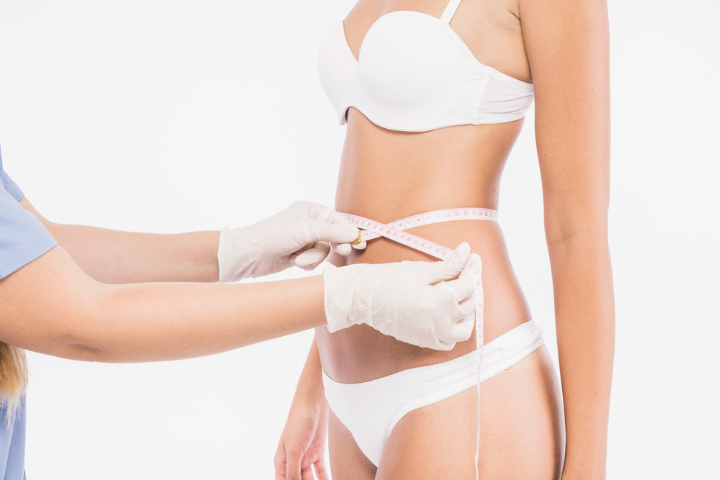
Non-surgical body contouring has become an increasingly popular option for individuals looking to refine body shape without surgery. However, while treatment options continue to evolve, the results people experience can vary significantly from one person to another. These differences are not random. They are influenced by a combination of fat biology, skin quality, and how the body responds to targeted interventions.
One of the most common areas of confusion lies in the relationship between fat reduction and skin texture. Even when fat volume is reduced, concerns such as uneven skin surface or cellulite may still affect how results are perceived. This is why body contouring is often discussed alongside approaches such as Effective Cellulite Treatment, particularly within a cosmetic clinic in London where both fat behaviour and skin response are evaluated as part of a comprehensive treatment plan.
For patients exploring non-surgical body contouring in London, choosing a cosmetic clinic that takes a medical and individualised approach can make a meaningful difference. Understanding how the body responds beneath the surface allows clinicians to set realistic expectations and design treatment pathways that support more balanced, longer-lasting outcomes.
How Fat Biology Influences Non-Surgical Body Contouring Outcomes

Fat tissue is not uniform throughout the body, and its biological characteristics play an important role in how non-surgical body contouring treatments perform. Factors such as fat cell size, distribution, and metabolic activity can influence how the body responds to targeted fat reduction, helping explain why outcomes are individual rather than standardised.
In clinical practice, this understanding allows cosmetic clinics in London to assess treatment suitability more accurately. Areas with stable fat deposits often respond in a more predictable way, enabling clinicians to design treatment plans that focus on contour refinement rather than dramatic change. This approach supports results that appear natural and proportionate to the individual’s body shape.
By considering fat biology as part of a personalised assessment, non-surgical body contouring can be positioned as a supportive tool for enhancing body contours. When treatment selection aligns with the body’s natural structure and response patterns, patients are more likely to experience outcomes that feel balanced, realistic, and consistent with their expectations.
The Role of Skin Quality and Elasticity in Visible Results
Skin quality and elasticity play a key role in how body contouring results are seen and felt. When the skin is able to adapt smoothly to changes beneath the surface, overall contours tend to appear more refined and even. This natural adaptability is influenced by factors such as collagen structure, hydration levels, and overall skin health.
Within a cosmetic clinic in London, skin assessment is often considered alongside fat evaluation to provide a more complete picture of how the body may respond to treatment. By understanding skin behaviour early on, clinicians can guide patients towards approaches that support both contour refinement and skin texture, rather than focusing on fat reduction alone.
This holistic view helps ensure that non-surgical body contouring treatments work in harmony with the skin’s natural properties. When skin response is taken into account as part of personalised planning, results are more likely to look balanced and consistent, supporting confidence in the outcome over time.
Treatment Selection and Technique: Why Assessment Matters
Selecting the right body contouring approach is not only about the technology used, but also about how well it aligns with an individual’s skin characteristics and treatment goals. This is why clinical assessment plays a central role in non-surgical body contouring within a cosmetic clinic in London.
Treatments such as Morpheus 8 for cellulite are often considered as part of a personalised plan because they are designed to work beneath the skin surface while remaining suitable for a wide range of skin types. By evaluating factors such as skin quality, texture concerns, and overall health, practitioners can determine whether this approach is appropriate and how it may best support visible contour refinement.
A consultation with a qualified practitioner ensures that treatment selection is guided by medical insight rather than assumptions. This process helps align technique, expectations, and skin response, supporting outcomes that are both natural-looking and consistent over time.
Lifestyle and Aftercare Factors That Affect Longevity
The longevity of non-surgical body contouring results is often supported by everyday habits that help the body maintain balance and stability. Rather than requiring dramatic lifestyle changes, long-term outcomes are usually influenced by consistent routines that support overall wellbeing and skin health.
Aftercare guidance provided by a cosmetic clinic in London typically focuses on helping patients integrate treatment into their normal lifestyle. Factors such as maintaining a stable weight, staying hydrated, and supporting circulation through regular movement can contribute to how the body adapts over time. These elements work alongside clinical treatment rather than replacing it.
By viewing aftercare as a continuation of the treatment process, patients are better equipped to maintain results in a way that feels manageable and sustainable. This collaborative approach between clinic guidance and everyday habits helps support outcomes that remain balanced and in harmony with the body’s natural response.
Setting Realistic Expectations With a Fat Reduction Clinic in London
A key part of successful body contouring lies in understanding what non-surgical treatments are designed to achieve. Rather than aiming for dramatic transformation, these approaches focus on gradual refinement that works in harmony with the body’s natural structure. This perspective helps patients approach treatment with clarity and confidence.
At a fat reduction clinic, consultations are centred around open discussion and personalised assessment. By reviewing body composition, skin response, and individual goals together, clinicians can outline what outcomes are achievable and how progress is typically measured. This collaborative process ensures that treatment plans are aligned with realistic timelines and natural-looking results.
When expectations are set through professional guidance, non-surgical body contouring becomes a supportive step towards enhancing body shape rather than chasing perfection. This balanced approach allows patients to feel informed, reassured, and actively involved in decisions about their care.
Conclusion – Informed Choices Lead to Better Body Contouring Outcomes
Non-surgical body contouring is most effective when it is guided by an understanding of how the body responds beneath the surface. Factors such as fat biology, skin quality, treatment selection, and aftercare all contribute to outcomes that feel natural and sustainable over time. When these elements are considered together, patients are better equipped to make informed decisions and approach treatment with realistic expectations.
At The London Cosmetic Clinic, body contouring is approached as a personalised, clinically guided process rather than a one-size-fits-all solution. By combining careful assessment with medically informed treatment planning, the focus remains on supporting balanced results that align with each individual’s anatomy and goals.
Considering non-surgical body contouring in London?
Explore our approach to Effective Cellulite Treatment and book a consultation at The London Cosmetic Clinic to discuss a personalised plan designed around your body, your skin, and your long-term confidence.