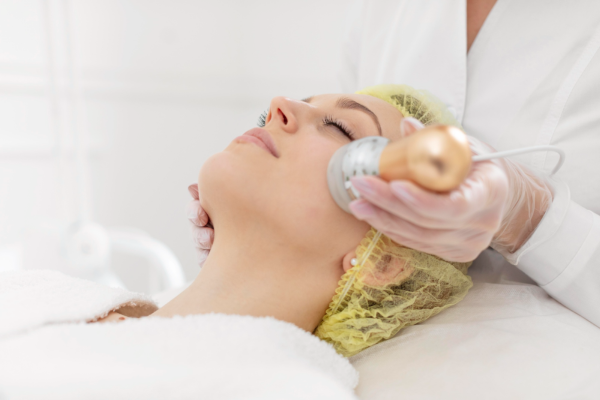
In recent years, more patients have started to look beyond treatments that focus solely on improving the surface of the skin. There is growing interest in approaches that aim to support how the skin repairs and renews itself from within. This shift reflects a broader awareness that long-term skin quality is often linked to biological processes taking place at a deeper, cellular level.
Regenerative aesthetic treatments are built around this idea. Rather than simply masking signs of ageing or fatigue, they are designed to work alongside the body’s natural mechanisms for tissue repair and cellular communication. This is where advanced methods, such as exosome-based approaches, are increasingly discussed within medical aesthetics as part of a broader regenerative framework.
For individuals exploring regenerative aesthetic treatments in London, understanding how these biological concepts translate into clinical practice can offer a more informed way to compare clinics, evaluate treatment pathways, and set realistic expectations. As these options become more widely available, questions around safety, sourcing, and medical oversight naturally follow, making scientific context and clinical standards just as important as visible results.
What “Regenerative” Means in Aesthetic Medicine
In aesthetic medicine, the term “regenerative” refers to treatments that aim to support the skin’s own repair and renewal processes rather than simply altering its appearance. The focus is on encouraging healthier tissue behaviour at a cellular level, so the skin can respond more effectively to stress, ageing, and environmental exposure over time.
At the core of this concept is cellular communication. Skin cells rely on signals to regulate how they grow, repair damage, and maintain their surrounding structure. Regenerative approaches are designed to work within this system, helping to create conditions where the skin’s natural responses can function more efficiently and consistently.
This is where scientifically driven methods, including exosome-based treatments, are often discussed in a clinical context. Exosomes are studied for their role in cell-to-cell signalling, which is a fundamental part of how tissues coordinate repair and regeneration. In aesthetic practice, this places them within a broader category of techniques that prioritise biological support rather than surface-level change.
For patients considering options at an advanced skin regeneration clinic, understanding this definition helps clarify what regenerative care is intended to achieve. The emphasis is not on immediate transformation, but on guiding the skin toward more stable, longer-term improvements in quality, resilience, and overall condition.
How Regenerative Treatments Work at a Biological Level
At a biological level, the skin is constantly responding to signals that tell it when to repair, protect, or renew itself. These signals are exchanged between cells and their surrounding environment, guiding processes such as collagen production, tissue repair, and the regulation of inflammation. Regenerative aesthetic treatments are designed to work within this communication network rather than override it.
When the skin experiences stress or ageing-related changes, these signalling pathways can become less efficient. The result is slower recovery, reduced structural support, and a gradual decline in overall skin quality. Regenerative approaches aim to create conditions that support healthier cellular behaviour, helping the skin respond in a more balanced and organised way.
In clinical discussions, this is often where concepts like growth factors, cellular messengers, and exosomes are introduced. These elements are studied for their role in how cells exchange information and coordinate repair. Within a medical setting, the focus is not on a single component in isolation, but on how the treatment environment, technique, and patient suitability work together to influence the skin’s biological response.
Safety, Sourcing, and Medical Oversight in Regenerative Care
As regenerative treatments become more widely available, the importance of safety and clinical governance becomes increasingly central to patient decision-making. Because these approaches are designed to interact with the skin at a biological level, the standards applied to sourcing, handling, and clinical delivery play a direct role in both outcomes and patient confidence.
One of the first considerations is product sourcing and traceability. Clinics that operate within a medical framework are typically transparent about where their materials come from, how they are stored, and how quality is verified before use. This level of openness helps patients understand what is being introduced to their skin and under what regulatory standards it is managed.
Medical oversight is another key factor. A clinically led environment ensures that treatments are preceded by a proper consultation, suitability checks, and an explanation of potential risks and expected results. This is particularly relevant for patients seeking medical grade skin repair in London, where the distinction between consumer-level services and medically governed care can influence both safety and long-term skin health.
Finally, aftercare and follow-up form part of the broader safety framework. Regenerative treatments often involve gradual changes rather than immediate results, making professional monitoring an important component of responsible practice. Clear guidance, access to clinical support, and realistic timelines help reinforce trust and maintain continuity of care beyond the initial appointment.
How to Evaluate an Advanced Skin Regeneration Clinic
- Clear medical consultation process
Look for clinics that begin with a structured consultation, including a review of skin history, lifestyle factors, and treatment goals. This demonstrates a commitment to understanding individual needs before recommending any regenerative approach.
- Transparency around treatment pathways
An advanced clinic should be able to explain how different regenerative options fit into a broader care plan, helping patients understand what each stage is designed to support in terms of skin quality and long-term outcomes.
- Clinical credentials and professional standards
Reputable providers typically highlight the qualifications and ongoing training of their medical team, reinforcing confidence in the clinical environment and the level of expertise guiding each treatment.
- Focus on patient education
High-quality clinics invest time in explaining the science behind regenerative care, including how biological processes such as cellular signalling and tissue repair relate to the treatments being offered.
- Medical-grade facilities and protocols
The use of controlled, clinically governed environments and standardised protocols reflects an emphasis on safety, consistency, and responsible delivery of advanced skin regeneration services.
Where Exosome-Based Approaches Fit into Regenerative Aesthetics
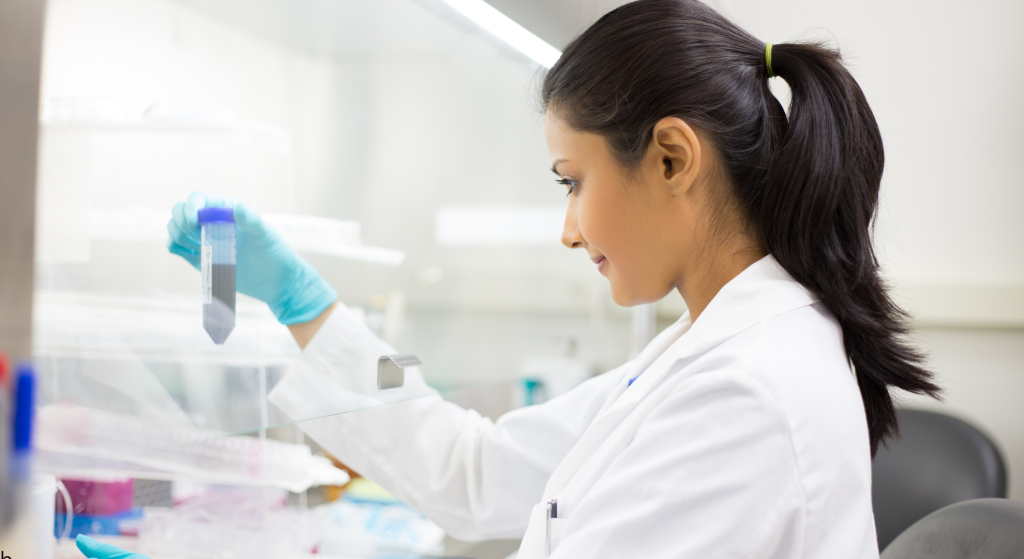
Within the broader field of regenerative aesthetics, exosome-based approaches are often discussed as part of the skin’s natural communication system. Exosomes are microscopic messengers released by cells, and they play a role in how information is exchanged between tissues during processes such as repair, renewal, and adaptation to stress.
In a clinical context, the interest in exosomes lies in how they may support the skin’s existing biological pathways rather than introducing artificial changes. This places them within a category of treatments that aim to complement the body’s own mechanisms for maintaining skin quality and structural balance over time.
At an advanced skin regeneration clinic, exosome-based options are typically considered within a wider treatment framework. Rather than being positioned as a standalone solution, they are often discussed alongside patient assessment, skin condition, and long-term goals. This approach helps ensure that any regenerative method is selected based on suitability and overall care strategy, not just on the popularity of a specific technique.
Conclusion – Making Informed Choices in Regenerative Aesthetic Care
Regenerative aesthetic treatments are built on the idea that long-term skin quality is closely tied to how well the body’s own repair and communication systems are supported. By understanding the biological principles behind these approaches, patients are better equipped to look beyond surface-level claims and focus on clinical standards, medical oversight, and the quality of care provided by each clinic.
For those considering regenerative aesthetic treatments in London, taking time to explore how safety, sourcing, and consultation processes are handled can help set realistic expectations and guide more confident decisions. Viewing regenerative care as a structured, medically informed pathway rather than a single procedure encourages a more thoughtful and sustainable approach to skin health.
Ready to explore a clinically guided approach to advanced skin regeneration?
Learn more about Exosome-based regenerative treatments at The London Cosmetic Clinic and book a consultation to discuss a personalised care plan with our medical team, focused on safety, quality, and long-term skin outcomes.